Tuesday, October 6, 2020

Waiting on Wednesday

This meme was hosted by Breaking the Spine and is meant to highlight some great pre-publication books we all can't wait to get our grubby little mitts on. I'm choosing to continue the tradition even though she has stopped.
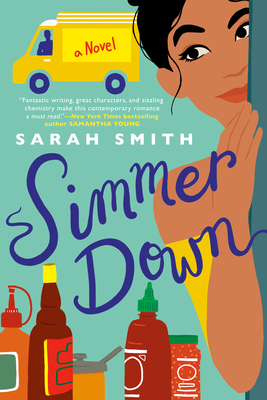
Simmer Down by Sarah Smith.

The book is being released by Berkley on October 13, 2020.

The book's jacket copy says: In this finger-licking good rom-com, two is the perfect number of cooks in the kitchen.

Nikki DiMarco knew life wouldn’t be all sunshine and coconuts when she quit her dream job to help her mom serve up mouthwatering Filipino dishes to hungry beach goers, but she didn’t expect the Maui food truck scene to be so eat-or-be-eaten—or the competition to be so smoking hot.

But Tiva’s Filipina Kusina has faced bigger road bumps than the arrival of Callum James. Nikki doesn’t care how delectable the British food truck owner is—he rudely set up shop next to her coveted beach parking spot. He’s stealing her customers and fanning the flames of a public feud that makes her see sparks.

The solution? Let the upcoming Maui Food Festival decide their fate. Winner keeps the spot. Loser pounds sand. But the longer their rivalry simmers, the more Nikki starts to see a different side of Callum…a sweet, protective side. Is she brave enough to call a truce? Or will trusting Callum with her heart mean jumping from the frying pan into the fire?

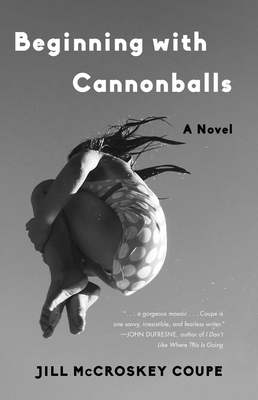
Review: Beginning with Cannonballs by Jill McCroskey Coupe

Friendship is a curious thing. It can last a season or a lifetime or any stretch of time in between. It can be buffeted by winds that the friends don't even notice or it can be caught up in a storm that they can hardly ignore. Perhaps this is no more true than inside an interracial friendship during the era of the Civil Rights Movement. Some friendships can survive outside forces while others will not. Jill McCroskey Coupe has written a beautiful paean to a lifelong friendship that starts in innocence, suffers, and is refound again despite the forces that try so hard to break it in her novel, Beginning with Cannonballs.

It's the 1950s and babies Gail and Hanna share a crib, the closest of friends from the beginning. Hanna's mother Sophie is Gail's family's maid. Gail is white and Hanna is black. As young girls, they don't see any complication in this fact, only questioning the world on rare occasions, but their mothers certainly foresee problems, especially as the girls grow older. They remain devoted friends despite the pressures beyond them until Hanna moves to Philadelphia with her mother and the girls lose touch thanks to the interference of Gail's mother Bessie. But Gail never forgets her first and best friend, reaching out and trying to rekindle their once close relationship without understanding all of the forces at work in and against Hanna. Their differences magnified, and their lives so very different, these two women come back together tentatively, testing the power and forgiveness of friendship.

Coupe takes that most precious friendship of a childhood, that touchstone, and complicates it with race and distance and family disapproval. She delicately describes a friendship that has no choice but to be impacted by the outside world, a friendship that would once have been quietly let go forever but that is too much a friendship of the heart, too valuable and important, to let fade away. There are short jumps in time between the chapters, allowing Gail and Hanna to grow and change, to be molded both by national and personal events in the intervening time, and the story itself spans from the 50s to the 90s. Coupe has done a great job capturing the innocence of the young girls, the dawning of understanding and push back in the young women, and the acceptance and forthrightness (with a touch of rebellion) in the middle-aged women. The writing is accessible and warm and the characters are fully fleshed out and real. This book is a kaleidoscope of snapshots in a specific time of a real and beautiful friendship with all of the attendant ups and downs, hurts and joys, of any long standing relationship between two people still adapting and growing and learning, in all of their flawed, human glory.

Thanks to Caitlin Hamilton Marketing and Publicity for sending me a copy of this book to review.

Monday, October 5, 2020

It's Monday! What Are You Reading?

This meme is hosted by Kathryn at Reading Date.

Books I completed over the past week are:

Meet Me In Monaco by Hazel Gaynor and Heather Webb
Children of Dust by Ali Eteraz
Happily Ever After by Debbie Tung
The Case of the Gilded Fly by Edmund Crispin
Her Last Flight by Beatriz Williams

Bookmarks are still living in the middle of:

Yellow Earth by John Sayles
Small Game Hunting at the Local Coward Gun Club by Megan Gail Coles
The Last Blue by Isla Morley

Reviews posted this week:

Phoolan Devi, Rebel Queen by Claire Fauvel
Winter Counts by David Heska Wanbli Weiden

Books still needing to have reviews written (as opposed to the ones that are simply awaiting posting):

Beginning with Cannonballs by Jill McCroskey Coupe
The Right Sort of Man by Allison Montclair
Faces: Profiles of Dogs by Vita Sackville-West
The Authenticity Project by Clare Pooley
The Secrets We Kept by Lara Prescott
Exciting Times by Naoise Dolan
Oona Out of Order by Margarita Montimore
Holding on to Nothing by Elizabeth Chiles Shelburne
Difficult Light by Tomas Gonzalez
Adults and Other Children by Miriam Cohen
Grief's Country by Gail Griffin
Moments of Glad Grace by Alison Wearing
Ghost Wall by Sarah Moss
The Library Book by Susan Orlean
Misconduct of the Heart by Cordelia Strube
Search Heartache by Carla Malden
What the Lady Wants by Renee Rosen
The Other Americans by Laila Lalami
The Book Keeper by Julia McKenzie Munemo
The Postmistress by Sarah Blake
Temporary by Hilary Leichter
Blue Marlin by Lee Smith
Rules for Visiting by Jessica Francis Kane
Girl Waits with Gun by Amy Stewart
A Short Move by Katherine Hill
A Woman Is No Man by Etaf Rum
The Sudden Appearance of Hope by Claire North
The Divorce Papers by Susan Rieger
Watershed by Mark Barr
Migrations by Charlotte McConaghy
The Goshen Road by Bonnie Proudfoot
We Have Everything Before Us by Esther Yin-ling Spodek
Anna Eva Mimi Adam by Marina Antropow Cramer
This Is My Body by Cameron Dezen Hammon
Impurity by Larry Tremblay
The Last Goldfish by Anita Lahey
Invisible Ink by Guy Stern
A Room Called Earth by Madeleine Ryan
Disappearing Earth by Julia Phillips
Raphael Painter in Rome by Stephanie Storey
Blue Summer by Jim Nichols
The Miracle of Saint Lazarus by Uva de Aragon
Red Mother with Child by Christian Lax
The Mystery of Henri Pick by David Foenkinos
Tamba Child Soldier by Marion Achard
The Girl with Braided Hair by Rasha Adly
The Book of Second Chances by Katherine Slee
Disfigured by Amanda Leduc
Floating in the Neversink by Andrea Simon
Seven Sisters and a Brother by Marilyn Allman May
A Royal Pain by Rhys Bowen
Sansei and Sensibility by Karen Tei Yamashita
The Paris Secret by Natasha Lester
Artificial Condition by Martha Wells
You Exist Too Much by Zaina Arafat
I Was Anastasia by Ariel Lawhon
Godshot by Chelsea Bieker
The Hierarchies by Ros Anderson
The Change by Lori Soderlind
The Man in the White Linen Suit by David Handler
I Saw Three Ships by Bill Richardson
A Wicked Kind of Husband by Mia Vincy
Wild Ride Home by Christine Hemp
If You Leave Me by Crystal Hana Kim
The Book of Rosy by Rosayra Pablo Cruz and Julie Schweitert Collazo
The Devil to Pay by Liz Carlyle
How to Survive Death and Other Inconveniences by Sue William Silverman
The Prettiest Star by Carter Sickels
The Bitch by Pilar Quintana
Three Things About Elsie by Joanna Cannon
Continental Divide by Alex Myers
The Road to Urbino by Roma Tearne
The Wanting Life by Mark Rader
Invented Lives by Andrea Goldsmith
Friends of the Library by Susan Cushman
In Praise of Paths by Torbjorn Ekelund
Tea by the Sea by Donna Hemans
Heiress for Hire by Erin McCarthy
In Five Years by Rebecca Serle
The House in the Cerulean Sea by TJ Klune
Wild Game by Adrienne Brodeur
The Royal Abduls by Ramiza Shamoun Koya
The Exiles by Christina Baker Kline
The Expert's Guide to Driving a Man Wild by Jessica Clare
How to Eat by Thich Nhat Hanh
Miracle Creek by Angie Kim
Startled by His Furry Shorts by Louise Rennison
Love and Hunger by Charlotte Wood
Tell Me Your Names and I Will Testify by Carolyn Holbrook
You Have Arrived at Your Destination by Amor Towles
In Our Midst by Nancy Jensen
On the Steamy Side by Louisa Edwards
The Beauty of Your Face by Sahar Mustafah
The Second Home by Christina Clancy
Rogue Protocol by Martha Wells
A Shot in the Dark by Lynne Truss
Unconditional Love by Jocelyn Moorhouse
Along Came Mary by Jo-Ann Mapson
The Big Quiet by Lisa D. Stewart
All My Mother's Lovers by Ilana Masad
The Light of Paris by Eleanor Brown
The Care and Feeding of Ravenously Hungry Girls by Anissa Gray
The Moonshiner’s Daughter by Donna Everhart
True North by Beverly Brandt
Betrayal at Ravenswick by Kelly Oliver
Queen of the Owls by Barbara Linn Probst
Wild Dog by Serge Joncour
Meet Me In Monaco by Hazel Gaynor and Heather Webb
Children of Dust by Ali Eteraz
Happily Ever After by Debbie Tung
The Case of the Gilded Fly by Edmund Crispin
Her Last Flight by Beatriz Williams

Sunday, October 4, 2020

Monday Mailbox

This past week's mailbox arrivals:
You, Me and the Movies by Fiona Collins came from me for myself.

A love story punctuated with movies, can't we all use a love story about now? I know I sure can!

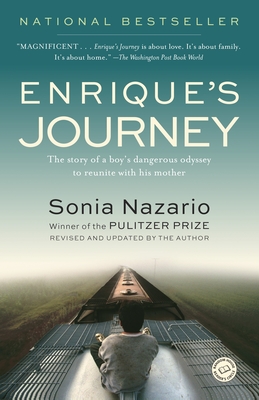
Enrique's Journey by Sonia Nazario came from me for myself because of book club.

The true story of a Honduran boy who goes north to find his mother in the US, eleven years after she was forced to leave him, this story of his dangerous trip should be amazing.

Bride Flight by Marieke Van Der Pol came from me for myself.

I know nothing about the Bride Flight in the 1950s, where brides to be flew from London to Christchurch to join their fiances and I am so very intrigued about the women and the aviation race surrounding this flight.

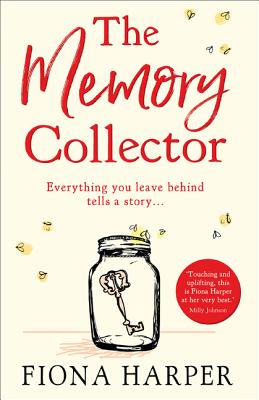
The Memory Collector by Fiona Harper came for me from myself.

A woman confronts her mother's hoarding and the memories of her childhood in this potentially heartbreaking novel. Sometimes you just need a highly emotional read, you know?

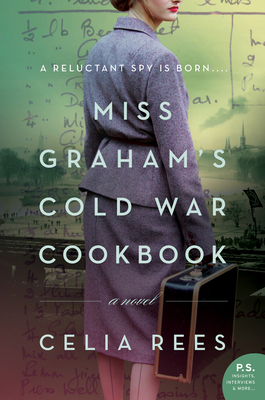
Miss Graham's Cold War Cookbook by Celia Rees came for me from myself.

Female spies are so enticing, aren't they? One looking for a Nazi war criminal and posing as a cookbook author as she searches sounds too perfect for me!

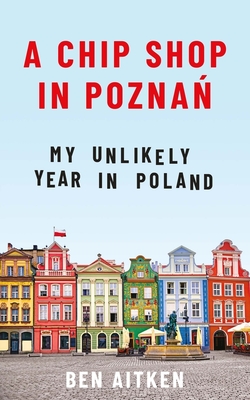
A Chip Shop in Poznan by Ben Aitken came for me from myself.

I enjoy travel narratives a lot and I've never read one set in Poland so I am really looking forward to this one about a guy who moved to Poland to see why Poles were all emigrating.

A World Between by Emily Hashimoto came for me from myself.

Two women in college fall in love but end up going their own ways in life. This is the novel about what happens when they run into each other years later and are pulled to each other once again. I do enjoy love stories and I'm curious to see if this is a second chance love story or not.

If you want to see the marvelous goodies in other people's mailboxes, make sure to visit Mailbox Monday and have fun seeing how we are all doing our part to keep the USPS and delivery services viable.

Sunday Salon: The 2020 Great Group Reads List

Some people look to October for Halloween and spooky stuff. Me? I'm a coward so what I look forward to this month is the release of the Women's National Book Association Great Group Reads list. The list is always phenomenal and this year is no different. The included books are perfect for book clubs. They contain issues that we're already talking about right now and will be for a long time to come. They're well written and engaging, fiction and memoir. I've read them all and I recommend them for sure. (Full disclosure, I'm the Great Group Reads Chair so this is very much my baby although my committee chooses the books so it's not just a personal passion project.) All books can be bought through your local independent bookstore or online through Bookshop as well as from all other in person and online sources. Read one or two (or all) of these and let me know what you think.

Friday, October 2, 2020

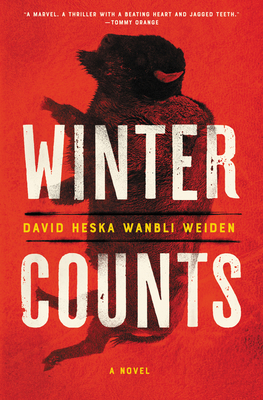
Review: Winter Counts by David Heska Wanbli Weiden


If you picture Native Americans, what do you see? Do you see a people decimated by systemic racism, alcohol and drugs, and a deep and grinding poverty? Do you see shamans, powwows, and defenders of the Earth? Do you see dusty reservations and casinos? Do you see missing and murdered indigenous women, failed by a federal judicial system that dismisses their duty, leaving criminals unpunished or entirely unprosecuted and victims unavenged? All of these things are true and yet not even close to a full picture of the many different groups who fall under this designation. David Heska Wanbli Weiden, an enrolled citizen of the Sicangu Lakota Nation, has written a riveting novel that confronts and enlarges on life on the Rosebud Indian Reservation. Winter Counts is a thriller, a crime novel, and a Lakota cultural examination.

Virgil Wounded Horse is half Lakota, a recovering alcoholic, and a vigilante. When justice isn't done by federal or tribal courts, people pay Virgil to redress the wrongs. He punishes the rapists, thieves, and wife beaters that the law ignores. When Ben Short Bear, a councilman running for Tribal President, contacts him to investigate the sudden influx of heroin into the reservation, Virgil isn't sure he wants to get involved even though the payout would be big. Then Virgil's own nephew, 14 year old Nathan, who Virgil is raising after his sister's death, overdoses and almost dies. Now Virgil has no choice but to get involved. He and his ex, Maria Short Bear, Ben's daughter, head to Denver after the small time criminal who has hooked up with the big boys to bring heroin onto the reservation. This trip embroils Virgil and Maria in something much bigger, more insidious, and more personal than they ever imagined.

Virgil narrates his own story, remaining clear eyed about both the good and ill of his community on the reservation. He was bullied as a child for his mixed race and he still sees firsthand the economic disparity, the accepted corruption, and the failure in leadership that exists but he also sees the perseverence and connection of a community trying to save its young people, to improve everyone's lives, and to try to honor and maintain their culture, even if he himself is frequently skeptical of that culture. In Virgil, Weiden has created a character who recognizes the wrongs done to the Lakota people and who is invested in righting those wrongs in whatever way he can. He is both an insider and an outsider, which allows the reader to learn and grow with him. The descriptions of the secondary characters and life on the reservation fully round out the story. This is not really a thriller in the heart pounding sense, rather it is one that carefully peels back each layer of the plot deliberately, until the depth of the corruption and the fullness of the novel is exposed in all its complexity.

The book is a fast and engrossing read that feels like it could be the first in a series. It doesn't flinch from the truth of the ways in which the government and white American have failed the Native population or from the ways its own people do the same to themselves. It is thought provoking, violent, and gripping. Those who like their novels gritty and realistic will quite enjoy this.

Thanks to the publisher for sending me a copy of the book to review.

Thursday, October 1, 2020

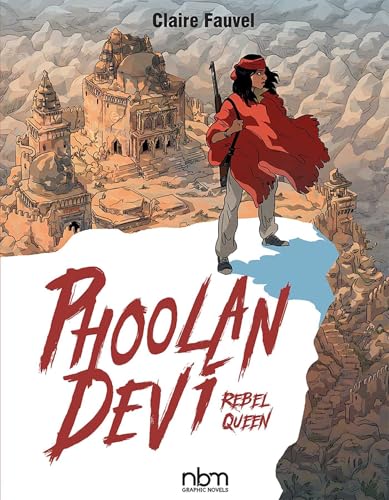
Review: Phoolan Devi, Rebel Queen by Claire Fauvel

When most societies are already firmly patriarchal, how much harder is it to be a woman when you are also of a low caste and from a poor family within that caste to boot? Would you fight back against the injustices meted out to you? Would you stand up for other women and children mistreated, raped, and abused as you were? Would you become the powerful woman whose name was whispered, then lauded, then shouted? Phoolan Devi was one such woman. Claire Fauvel has essentially adapted Devi's dictated autobiography (Devi was illiterate) in her graphic biography of the famous, late dacoit (an armed robber).

Phoolan Devi was a child who spoke out against injustice, even when that injustice was perpetrated by her own extended family. But a girl child doesn't have a lot of power and so she was punished, married off at the age of 11 to a much older man who raped her, spat upon and reviled for fleeing her abusive husband. When, as a young woman, she finally escapes her village in the company of dacoits, she changes her own life, earning power and respect from the other outlaws, and enabling her to take revenge on the rich and powerful who abused and destroyed the women and children in their lives. She became a courageous and avenging symbol of justice to many, eventually being elected to the Indian Parliament before being assassinated by extremists in 2001.

Fauvel illustrates the story of Phoolan Devi's life in earth tones and dark colors, reflecting both the despair of what she endured and the land she spent so much time living and hiding in. She doesn't shy away from graphic depictions of the rape and abuse that Devi endured and she depicts the extremes of emotion very well even if the faces of her characters are sometimes rather oddly drawn. Fauvel has chosen to use Devi's own words in the story, wanting the simple but direct language of the woman herself but that means that she cannot fill in pieces of Devi's life that are covered less extensively or not at all in the autobiography, such as how she went from a regional rebel to a nationally well known dacoit who inspired fear in others, or the years she spent serving in government. The rape by her husband is brutal and several pages long, as it should be as a (the?) major catalyst for her life's decisions, but it is also hard to read and view. The story here is a pretty fascinating one. I had never heard of Phoolan Devi before but I wish her life had been a little further fleshed out so that I had a better sense of her as a real person rather than a character.

Thanks to the publisher for sending me a copy of this book for review.

Popular Posts